APTA Advocacy Day

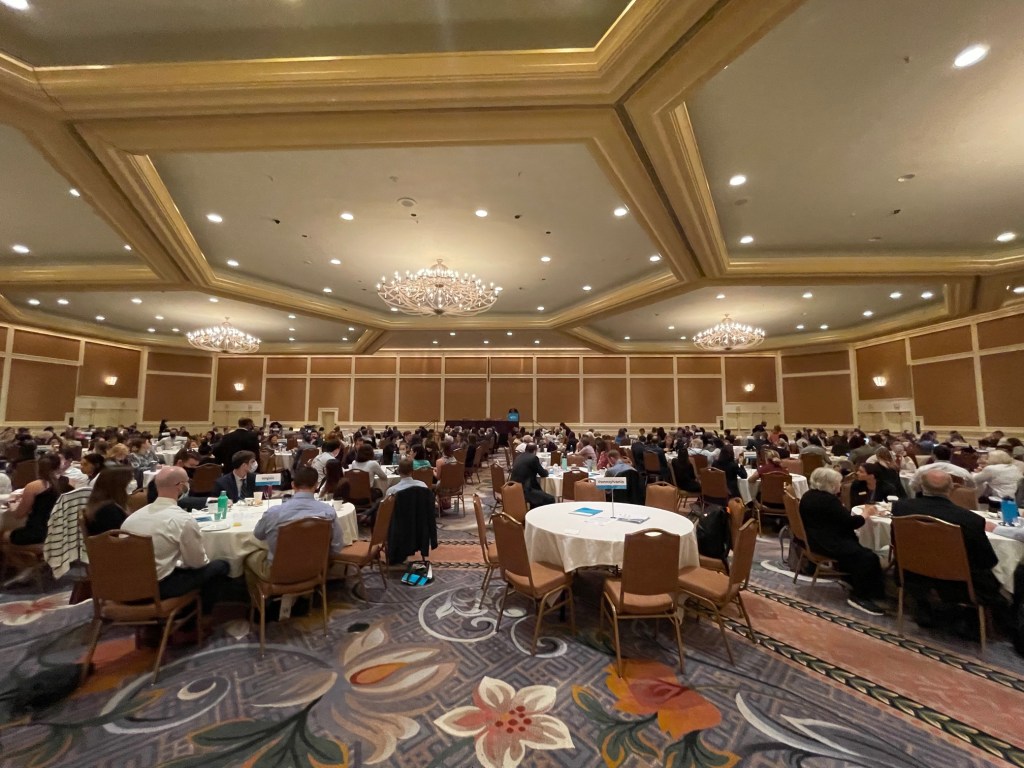
Early this week, our class got the opportunity to attend the 2021 APTA Advocacy Day. I am grateful to my program for the (mostly) all-expense paid hotel stay and trip to DC. The night before advocacy day, all delegations met in a giant ballroom (pictured below) in the Omni Shoreham Hotel to discuss the plan for how to advocate for our professions. They covered the hook, line and sinker points on four important bills to Congress members and their aides. At the end of the night, we had decided our speaking roles and I had been assigned to speak on Bill HR 3320. Afterwards, we were set free to feed our very hungry selves. Some of us went to a Nationals game, but I opted to have dinner at an Afghan restaurant called Lapis that was donating a portion of its profit towards helping Afghan refugees homes. Great food & company!
Advocacy Day started bright and early with a 6:30am breakfast, a speech from APTA President Sharon Dunn, and one final debrief before we were off on the buses to Capitol Hill. We arrived to the hill quite early, and our first meeting wasn’t until 11am, so we spent the morning at Union Station to get Second Breakfast and to work on our talking points.

Once we were finally getting started, the sessions were rapid fire one after the other. There was small opportunity for breaks but my time to speak came quickly. I am quite proud of what I got to speak, so I will post it here below:

Aaron Jeong, 3rd year student of physical therapy. I’d like to speak on bill HR 3320, the Allied Health Workforce Diversity Act. As a child of immigrants, I have witnessed the value of having practitioners who look like myself and my parents. In fact, they would often rather see a Korean clinician with fewer qualifications than see someone more qualified through an interpreter. Research has continued to show that outcomes are improved when patients receive care from members of their own racial and ethnic background.

The goal of HR 3320 is to increase the workforce diversity of physical therapists, occupational therapists, speech language pathologists, respiratory therapists and audiologists in order to provide a more culturally competent workforce capable of understanding the changing dynamics of America’s racial and ethnic landscape. Furthermore, minority groups disproportionately live in areas where there are healthcare provider shortages already. Therefore, increasing workforce diversity in racial & ethnic minorities, persons with disabilities and students from economically disadvantaged backgrounds doubly fills spaces where more clinicians are already needed.

We ask you to cosponsor HR 3320, the Allied Health Workforce Diversity Act, to share $8 million across the aforementioned professions in recruiting graduate classes filled with students from underrepresented and disadvantaged backgrounds. This $8 million will go towards funding, attracting, and retaining students from these backgrounds as well as going towards recruitment strategies, enrollment, and graduation rates.

I am the product of Pell Grants, and need-based financial aid. I believe these programs work and many of my classmates who were identified through funnel programs to physical therapy school would tell you the same. Thank you.

9/14/21

I admit that this experience was a bit harrowing. Due to pandemic restrictions, most of the Congressional meetings were being conducted virtually. And as there wasn’t much privacy in the space that we were in, I felt the pressure of all the listening ears around me.

I am not so sure I am cut out for this work for the future. I continue to see myself as wanting to be a clinician first. However, I am grateful for the experience to work with Mark Bouziane and the Virginia team. Overall, it was a good experience and I would recommend it to anyone who does not find public speaking to be too aversive.

That’s all for now!

AJ
Service Learning Reflection

In order to graduate, my program mandates that we participate in at least two service learning opportunities. I do have more than two that I could share about, however, I have decided to pick the two that are most specific to PT.

1. The CARES Clinic at VCU

The CARES Clinic at VCU is our pro bono physical therapy clinic where current students get the opportunity to work with patients under a licensed clinician. Furthermore, the clinic primarily serves an underinsured and underserved population. In essence, everyone who partakes benefits!

During my first time as a student clinician there, I worked with a pediatric patient with CP. This was long before we had our pediatric education, or neuro education, so I definitely felt out of my element. The patient was rambunctious, bubbly, and positively unable to focus on anything. I can still remember how the clinician made therapy “fun” using faux-bowling bowls to knock over her toys. Or pretending like a bolster was a horse’s saddle. The experience taught me that I am not as fun as I think I am. I’m probably going to be better off avoiding a pediatric population. Still, it was enjoyable for everyone!

My second time as a student clinician was also with a younger patient, but this time a young teenager with knee pain. The challenge of this session wasn’t the fact that he was a young patient, but rather that the patient only spoke Portuguese. Additionally, the patient and his mother declined an interpreter despite the CARES Clinic’s offers of language services. The session went fine, and I still recall the clinician’s strategy for making sure the patient knew what to do at home: he had the boy’s mother take a video of me (on their phone) doing the exercises with correct form. That was my first time seeing that strategy and I still use this tactic now.

I will definitely continue to seek out pro bono work and would give back to a clinic as a professional.

2. Global PT Day of Service 2020

For Global PT Day of Service 2020, we helped make a video for the Special Olympics Fitness Combine featuring push-ups. Groups of us were tasked to focus on one exercise and we focused on the classic push-up and its modifications. We worked together to make a script, film, and edit the video. This was also mid-way through the pandemic and we did it with efficiency and precaution at the end of one of our labs. If I find the video, I will put it below.

Professional Development Reflection

Over the last two years, we have been hammered with case studies and real-clinic applications in the classroom setting. Even out of the classroom in our first two clinical experiences, we have been pushed to think deeper about how we can affect our patients. We reflected during our first year on some professional domains and where we felt we were with them. Undoubtedly, I put “beginner” for mostly all categories. However, we also did the same reflection two years later, with the first-year post side-by-side, and got to witness the changes that we made.

I will start with the most prominent example that comes to mind. I had the misfortune, this past mini-semester, of being assigned almost all of my presentations and assignments on the last two weeks of our eight week semester. With all that we had on our plate, one thing was bound to fall through the cracks and indeed, I had forgotten about an assignment for our MSK course where we essentially had to conduct and write an eval as well as a plan of care with goals, and interventions for the first 6 weeks of therapy.

I did finish the assignment in time. It wasn’t until the next day during a conversation with a classmate about goal-writing that it came to me. There was a time when I could spend an hour deliberating over goals. I can distinctly remember the emotional core of frustration that came with them my first year. Yet with the assignment the night before–I produced the goals almost without thought. I went straight to the patient’s goals, did the whole “SMART” thing, and in a jiffy I had moved on to the plan of care section.

I am of the firm belief that seamlessness is the essence of mastery; when the very nature of our actions becomes second and we can use the leading parts of our mind on the next course of action. When our primary focus is not concerned with the act, but the reason for the act. I also believe the ability to be flexible as an important component in mastery. So my future sights are set on flexibility and adaptability.

To train my adaptability, I vow to be a lifelong learner. I commit to academic and clinical curiosity. I promise to be a teacher but to always be a student as well.

Career Goals

1. Feel confident and comfortable about my preferences.

In the next 3-5 years, I would like to develop my own style of practice. I would like to feel comfortable about the outcomes I decide and confident that the interventions I choose will ultimately benefit my patients. I think an important part of that is to make my interventions defensible. I would like to be able to support my decisions with a strong evidence-based approach so as never to feel like I am shooting in the dark. I think the ability to feel confident in the work I do will play a major part in my satisfaction with a job. However, to achieve that confidence requires care and discipline.

This goal is also important in establishing workplace comfort. Comfort in the workplace optimizes overall performance. I think an open line of communication is important so that if I am feeling overwhelmed or overworked, I can say so without feeling as though I am treading on eggshells. Basically, I think a healthy work-life balance is important for me, but ultimately also benefits the patients under my care.

2. Develop a personal data collection of patient archetypes.

In line with my previous goal, I have always enjoyed being a data-driven decision maker. One thing I had always wished I had done in my first clinical experience was to keep track of the charges I made to quantify what was my work here worth? In the same vein, I would like to keep track of the diagnoses of patients I see and have my own HIPAA-compliant record of what has and has not worked for me. I think this kind of data could also inform any future continuing education courses that I might want to create.

3. Feel like a part of a community.

Having been in ‘life-limbo’ for so many years, I am excited at the prospect of being in a single place for a longer period of time than, say, a year. There are many perks to just being part of a community and knowing that you, as a professional, are a community member serving the needs of others. This takes the form of competent and impactful employment, which I fully intend to deliver. However, it also takes the form of giving back time and resources. Resources can go towards local APTA chapters, or local organizations that support particular populations. Community involvement can also take the form of giving time to organizations that may do pro bono work like the CARES clinic at VCU. I will plan to join the Medical Reserve Corps of wherever I may be and will always look for organizations that deliver services to the underserved and underinsured.

Additionally, I plan to be a community bastion of health and wellness. That’s what this blog serves to do. That’s why I believe in health as the first wealth. I will do my part to progress healthcare from a reactionary service to a proactive one.

Clinical Experience #1: An Honest Reflection

Hello to all my readers and friends,

It has been more than a year since I have posted. The time since my last post essentially spans the timeline of the pandemic, minus perhaps a month. So, what’s happened since? Quite a bit. I have successfully trudged my way through 95% of my didactic education. This included some biomechanics, a few musculoskeletal/orthopedic classes, some education on therapeutic agents, pediatrics, geriatrics, prosthetics & orthotics, and last, but certainly not least, neuro rehabilitation. I also spent some time working as a Contact Tracer for the Virginia Department of Health–a great experience.

Most importantly, however, I completed my first, longer-term clinical experience. My experience was set in an hospital-based outpatient clinic that has PTs that see both a neurologic and orthopedic patient caseload. My instructor is NCS certified and saw a primarily neuro-heavy caseload. I also had the great fortune of being surrounded by other neuro, orthopedic, lymphedema, pelvic health and pain specialist PTs during my 8 weeks there. Many of the clinicians were kind of enough to find me to show me a positive special test, or how to work a new, portable FES system. I am so grateful for all of the PTs (and OTs) that I got to watch work.

With all of that said, my favorite part of the whole experience was working with patients. For truly the first time since I have been a rehab tech, I had a caseload of patients. I was reminded of the value of experiencing the longitudinal aspects of physical therapy where a new idea would pop up and I had the chance to bring that new idea to a patient I have been seeing. The best example I have of the was my use of PNF across a number of neuro diagnoses. PNF was a topic I felt most versed in from class, and it was also an area of rehab that my clinician, and many of the other clinicians, were less familiar with. I presented an in-service on the topic of PNF rhythmic stabilization on cerebellar tremor.

Overall, the clinical experience reminded me of why I love this profession: I enjoy working with people who want to get better. I feel honored to witness a patient’s vulnerability and feel called to help my patients however I possibly can. We receive so many tools in our education, and I believe the distilling of that information for patients is the key to success.

Thank you to my first clinical site for an extremely positive experience. I can only hope that my next two experiences will hold up to the standard set by the staff there. Thank you, specifically, to Jaime, my clinical instructor and phone-a-friend lifeline, for her limitless drive to guide my learning. Thanks to Nate, for being a friend in a place where I often felt small among PT industry-giants. Thanks to Jeb for many late-shift conversations on networking, and continued feedback. Thanks to Carter, for letting me work with her for a week and helping me get a second set of neuro-PT eyes.

Coronavirus Blues 2

Hello all,

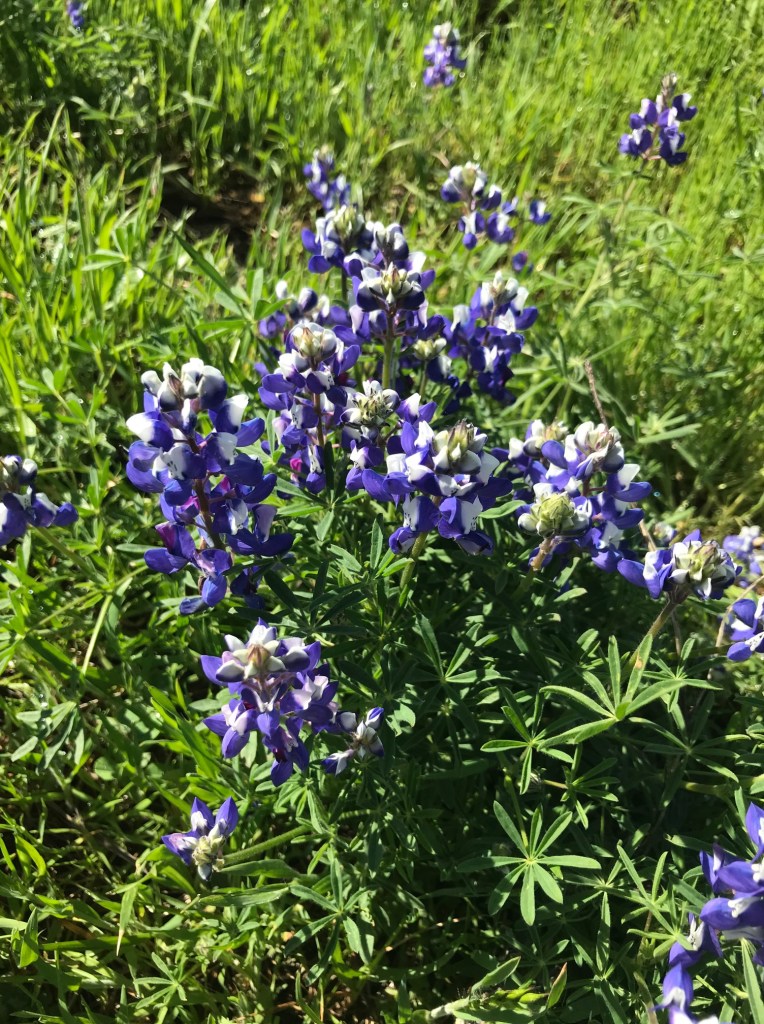
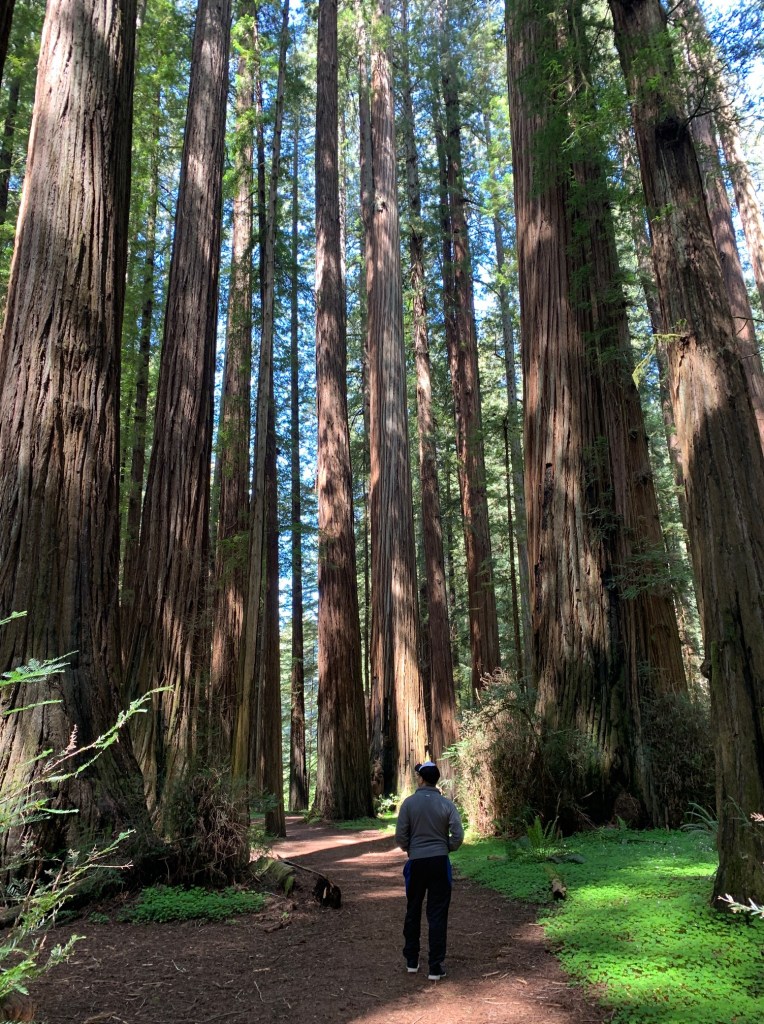
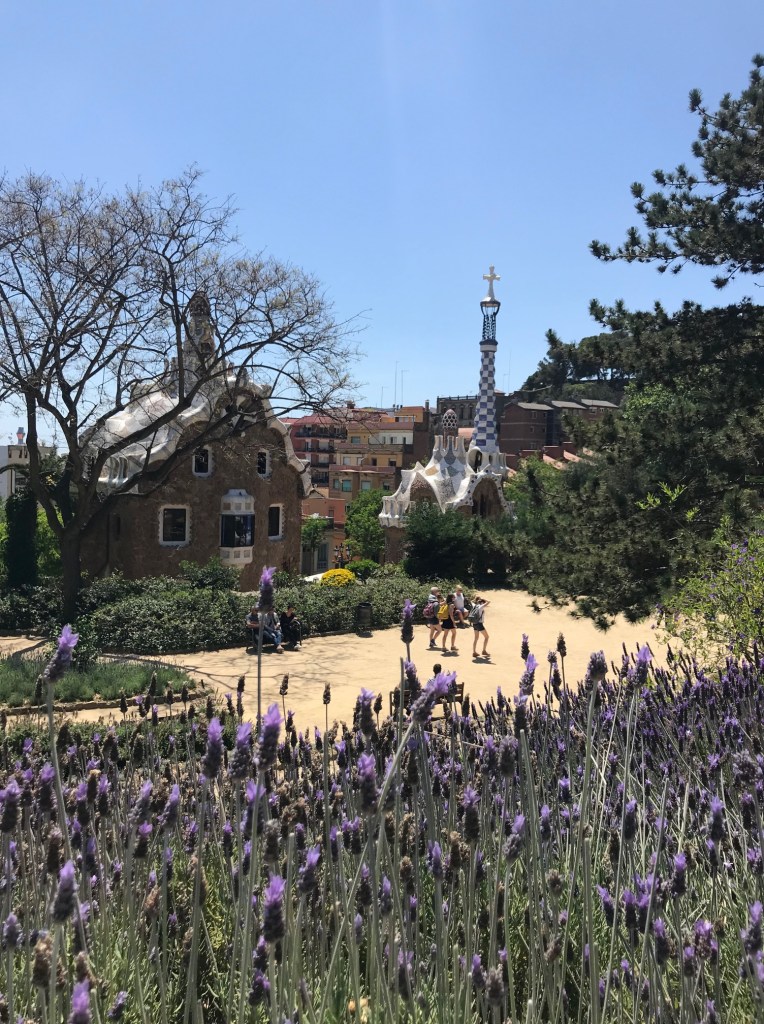
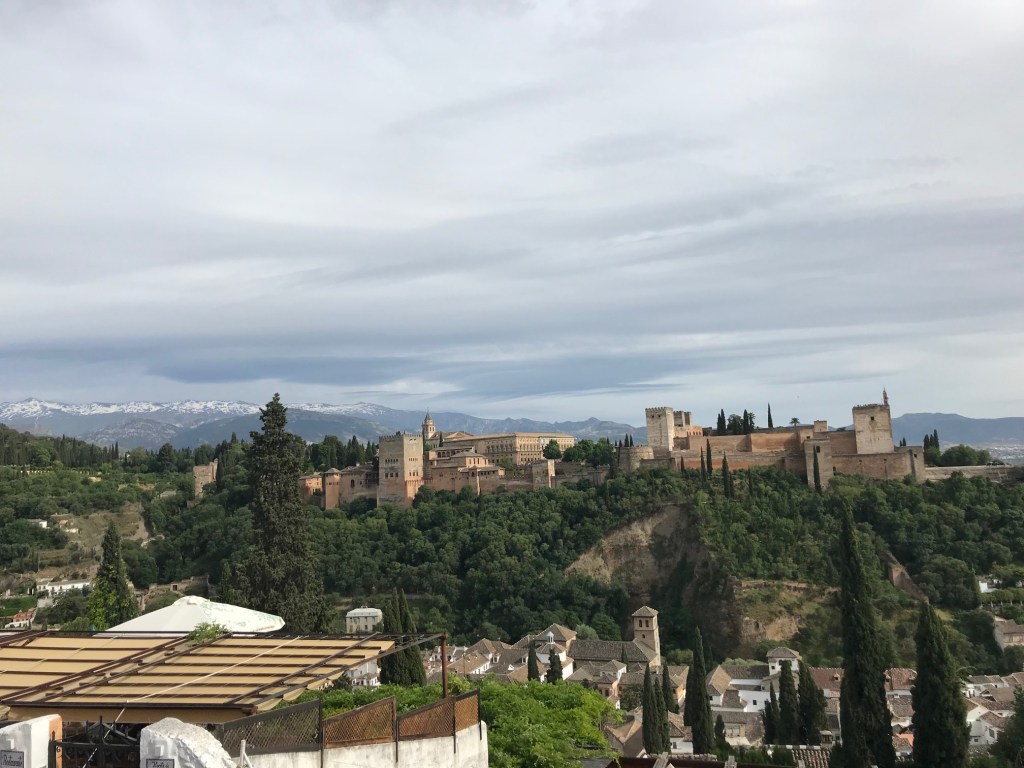
How incredible it is that almost a year has gone by since my physical therapy school journey began. 2019 is an unusually vivid year for my memories, and I think it’s because how much change occurred over the course of the year. I often find myself thinking about where I was a year from whatever day it is. A year from today, April 21st when I’m writing this post, I was hiking around the North Table Mountain ecological reserve, enjoying the California wildflowers. There were people everywhere. I was free from full-time work as a rehab tech, and taking some time to travel and see some sights. I’d soon see my first coastal redwoods, try to speak Spanish to unwilling Catalonians, and spot the Sierra Nevadas in the Granada horizon. Have a few pictures:

Unknown California wilflowers
Standing among giants
Parc Güell. Barcelona, Spain.

Two weeks after my trip to Spain, gross anatomy would start. Of course, I wrote a blog post almost every week of gross anatomy, since it was such a unique experience. Fall semester, I admit, is a bit of a blur. I briefly reflected on it in my New Year’s post, but even now as I try to reflect—I think about what a strange time it was. I think it’s fun to think about how vulnerable we all were, and I fully admit that I probably tried harder than I normally do to build a solid foundation of relationships. I like to think I was successful in this venture. Still, there are too many first impressions and first experiences to try and recall here. I guess I enjoyed it enough to stick around.

The Alhambra & Sierra Nevadas

Needless to say, this current and soon-to-be-ending semester has been one of the strangest academic experiences of my life. In my last blog post, I wrote about how much was occurring as a result of COVID-19. The stream of change continues. To name a few: our summer clinical has been shifted around, all of our tests have been online, we’ve been offered the choice to accept pass/fail grades and I’ve recently moved in with a new set of roommates. Adaptation continues, and I hope to continue my flexible streak. No one is immune to the changes that have come as a result of coronavirus, and to some more disproportionately than to others. How can I confront that line and not bicker about my situation, but still respect my own needs? This Summer is more uncertain than ever. I wrote to myself months ago that I expected to be traveling more during my last true Summer break; that will have to change, and I accept that.

You might expect that a reflective blog post like this would be full of the hope and joy ahead, but I admit that it is difficult to enter that mind frame given the world’s circumstances. On a day-to-day basis, I can be positive and do my best to make progress but… I refuse to paint a rosy picture here. Sometimes, situations are tough and anything but accepting that feels like lying to myself.

I am excited, however, to share some superfluous writing that I’ve been doing. Quarantine has bred space for writing, songs and poetry. I’d like to share some poetry today:

others

This corner of the room is darker than the other. The four panels constrict closer and the air, staler. The jagged exposed brick, once the newest trend, offers little comfort as we try to rest against it. The throw pillow, no longer decorative, is stained red with blood and brick. The alabaster stains easily with the oil of unwashed faces and hands greasy with keyboard residues. A new coat will cover all once this is concluded. If only the time would pass. If only the means were had, to live large and free in spaces unbound by corners and absent light. If only we had more than each other. In disarray, we are not our best selves. Quarrel, we may, with others as they persist in our spaces. Oft the quarrel is easier resolved when pointed anywhere but within. Who’d rather confront the Truths when blame so easily subverts away?

Along the path we learn that substance and materials waste and wane. Learn the Truth that ‘I am flesh and bone alone’ should rightly pave the way. Souls foster growth in contentment with the other. Let Light in and reveal the room-corners of the mind that holds the contorted spirit chained between its lines. Treat well the ghost you shackled down so long ago. Let others greet the thing that the deepest shame would only ever show. For in this time of love and blindness and all proximity that sows seeds of anger and spite, the other is the Light through which we ought to say: ‘I’m glad we have each other.’

Thank you for reading, whoever you may be. May you and those connected to you be well. Wash your hands. Spend time outside (but distant). Grow and foster something. Until next time.

ASJ

Coronavirus Blues 1

This blog post has no purpose, but to express something–anything–for the sake of it.

By day 5 of this quarantine, I am feeling the heavy effects of this isolation. It has gotten to the point where I am even pondering life and existence itself. Sheesh. I miss deeply the little things that remind me of the value in existing around others: the chatter of my classmates during a break, the sight of everyone sitting up at the mere mention of the word ‘posture,’ and the strange banter of the bathroom line going out the door since there’s only one bathroom each for men and women. After a long day of class, I’d often think to myself I desperately need to get out of this building, never predicting that I’d come to miss the ol’ College of Health Professions as much as I now do.

This concept of digital learning does not mesh well with me. In-person class drives the kind of extrinsic motivation sourced from the fact others seem to be so diligently paying attention and I seek to emulate them. And of course, lab classes make little to no sense over a screen. Events are cancelled: salsa lessons, group therapy, 10k races, and century bike rides. Anxiety is high in my family since they exist in the epicenter of the US outbreak around Seattle, WA. The coronavirus seems determined to take everything involving others from everyone. It’s forcing us to reflect, or at the very least, retract inwards. It’s been a pretty harsh reminder of our independence, which I usually enjoy.

With all my transgressions aside, there is joy still. It’s Spring and the weather has been excellent. I exercise not to be training for some event, but purely for the sake of wanting to do it. Living with three dogs helps. I have an excess of time, even, to eat well and read and study and clean and even indulge in some hobbies. In fact, I’d argue my ‘work-life’ balance has never been better. I wonder if there could ever be some happy medium between this kind of isolation, and the intensive 40+ hour work weeks that have worn me down in past jobs.

One of my favorite things I’ve observed is the resistance against apathy; how easy it is to let the time pass us by with streaming services and content streams. Yet with some resistance there is still space to grow. Although I may still be adjusting to all this newness, I am still learning and trying. I see my professors trying their hardest to make accommodations for our (costly) education. For PT school, it’s forced me to check out of my autopilot and reevaluate: how badly do I want this? How much am I willing to adapt for this? Turns out I want it pretty badly. Yes, the exams and assignments don’t cease, but I’m grateful to have found this brief reflective moment.

These are my realities: I am alone here, but I am not yet lonely. The phone I have been trying to detach myself from has become the funnel for interaction. Online class has been an adjustment. There is a lot to be worried about for my family. The major theme here is that the arm of change is relentless and endlessly forthcoming, so I’d better get used to it.

ASJ

Valuations: Whose Responsibility?

This is a discussion of my personal values. Although this is an assignment for a class, I believe that the discussion of personal values (of any clinician) is an important one, especially in physical therapy where we spend some of the most time with patients. Identifying and understanding one’s own personal values can ultimately inform clinical decisions, particularly where values may not align. This exercise expands on the idea that we all have the values that we prioritize, and they will likely differ from person to person. As such, all people should respect that no set of individual values is better or worse than that of another individual. However, I do think the responsibility for this understanding is heightened for any population that is building frequently new relationships with often vulnerable populations.

So, to begin, I start this discussion by sharing my top three personal values: Love, Health & Loyalty (1-3). A list of 21 values was ranked and scored against the others to achieve this selection. I am not too surprised by my selections. I would like to explore loyalty further:

Loyalty did surprise me the most, relative to the other two. Loyalty, as a highly prioritized value, is a fairly new development for me, and I believe it comes from a place of personal compensation. When I was 18 and making contentious decisions about college placement, I selected a college in the Virginia and moved away from Washington state. I was excited about the anonymity, the novelties, the challenges, and the prospect of personal achievement I had in selecting a place where truly no one knew me.

However, as I reflect on this past decision, I am often struck by how much that decision centered around one thing: me, myself and I. There was and continues to be frequent conflict about the topic with my family. Why don’t I visit more? Why don’t I move back? My family reminds me that having these conversations is more important to loyalty than not having them at all. As a result, I have been making loyalty a priority and my compensatory shift towards loyalty reminds me that there are many things greater than me and that very few people achieve success alone. These days, I truly think that a successful, rich life is not defined by achievements and belongings, but by the deep relationships you build and nurture with consistency. Therein lies the fundamental idea of loyalty: committed consistency.

In physical therapy, loyalty to therapy may not be a huge priority for some patients. I have seen this occasionally in my work as a rehab technician. Some patients will simply not show up for therapy, or cancel at the last minute. Or perhaps they admit to a lack of adherence of their home exercise program. Successful physical therapy takes committed consistency; it takes buy-in. I have been in many situations where I am tempted to dismiss patients and bark, ‘how do you expect to get better if you’re never here?’ But I hesitate because perhaps loyalty is not this individual’s most prized value. Or I need to consider that maybe the patient does treasure loyalty, but has yet to see that improvement takes loyalty to therapy; and that is on the clinician. Am I doing everything I can to build trust with this patient? Do they feel safe and inspired to take the steps they need to take? If all these matters are addressed, I may indeed speak up and stick up for my value to loyalty. There is a time to listen, and a time to speak-up. But overall, I am certain that resolving value differences will take self-evaluation, patience and a consistent but unwavering effort to convince patients that successful therapy takes a concerted commitment. And I think it needs to come from a place of love. The kind that tells your patients that you are on their team, and that you are here for them.

ASJ

Fall 2019: Updates & Goals

Greetings & Happy New Year,

I approach returning to this blog with some reticence since I only mustered one blog post during my 18-credit Fall semester. We have even more credits this semester (20, to be exact) yet I continue to believe that there is some value in writing about my professional education under a public eye. So, I will continue!

Much of Fall semester proceeded as Summer anatomy did: quickly and intensely. I feel I hardly had time to write in this blog because, in one instant, the semester concluded. Could I have made writing in this blog and posting more on my professional accounts more of a priority? Sure, but for anyone else who might want to follow suit, would I recommend it? Not exactly and that’s only because I feel like there is so much else to be prioritized. Like, prioritizing your education is probably a good idea and, along a similar suit, prioritizing building great relationships with your peers and professors. Obvious things, I think.

It would be easy to continue this blog post as almost exclusively a retrospective one. However, I think I’d rather let the pictures tell that story–Fall semester was a lot of work, and it was also a ton of fun. So instead, let’s look ahead. I still have grand plans for writing some quality posts here, and at multiple points last semester I almost did. I am finding that the issue isn’t motivation, but rather that my base of knowledge is constantly and rapidly evolving during school. I would have loved to write my thoughts on preventable disease but suddenly, we were learning about diabetes and smoking in our Exercise Physiology class. Plus, these ideas take time to process and become a seamless part of one’s vocabulary.

I have many ideas, but I am happy to take recommendations. Please reach out to me here or on the Instagram handle @firstwealthhealth with any recommendations of topics you would like a SPT-1 to cover.

Onto the the photo journalism which really only scratches the surface of highlights:

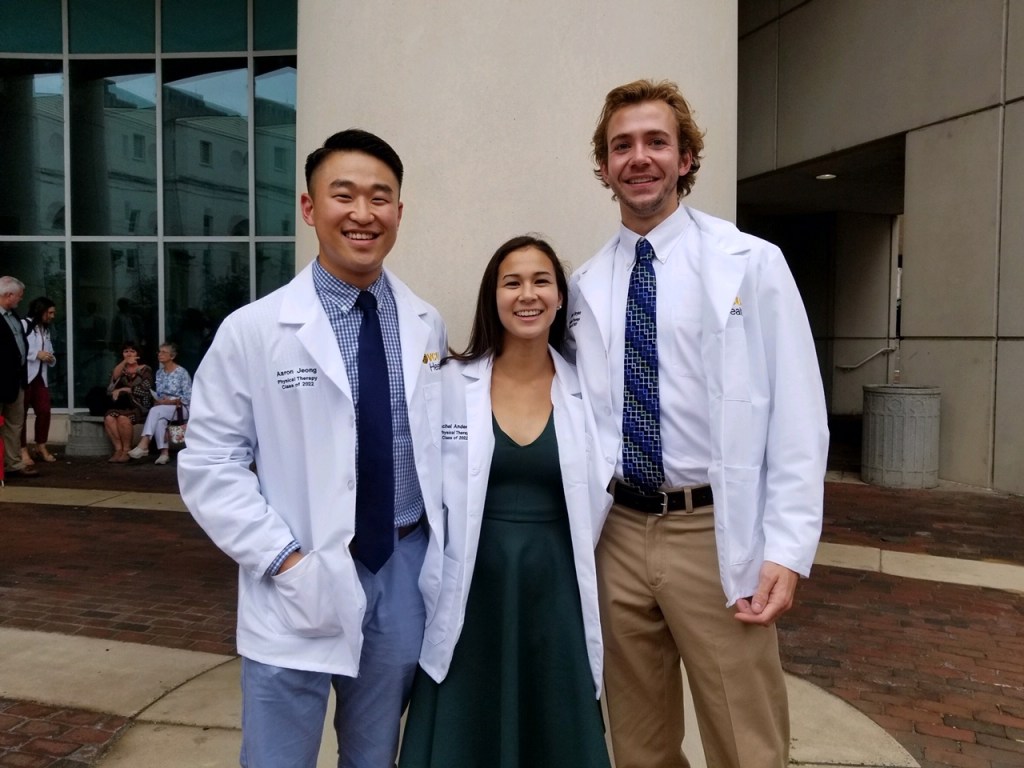
All smiles as we reconsider what we just signed ourselves up for; White Coat Ceremony

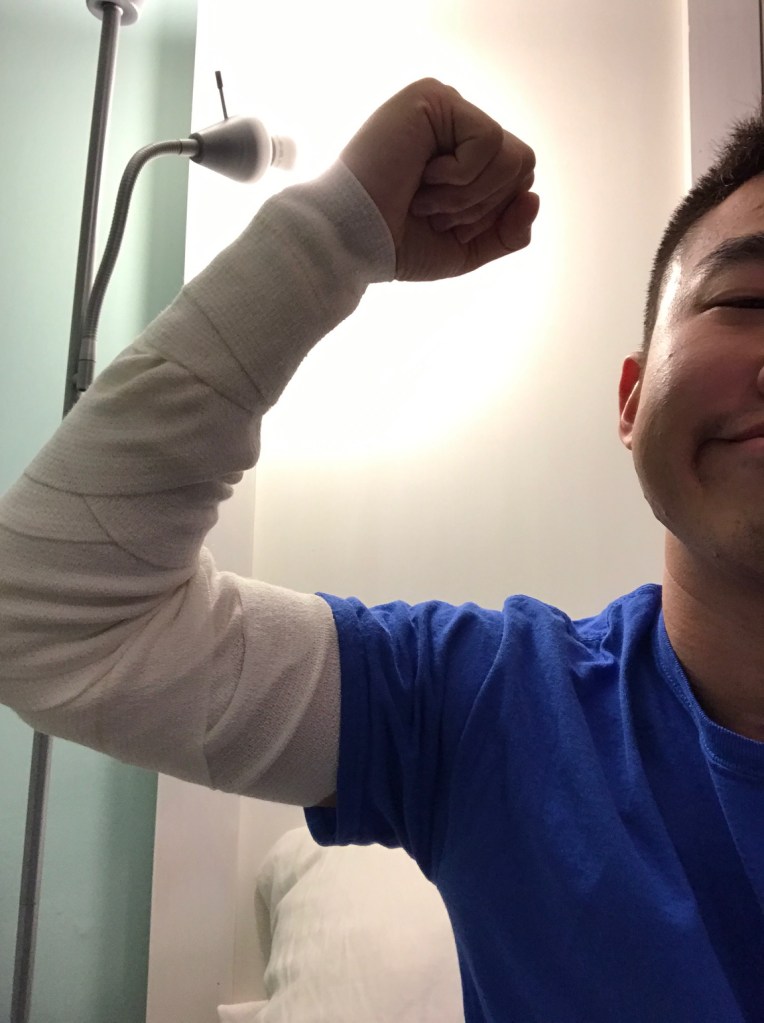
Post cycling-incident where I got to practice my spiral wrapping on myself; C+ quality work

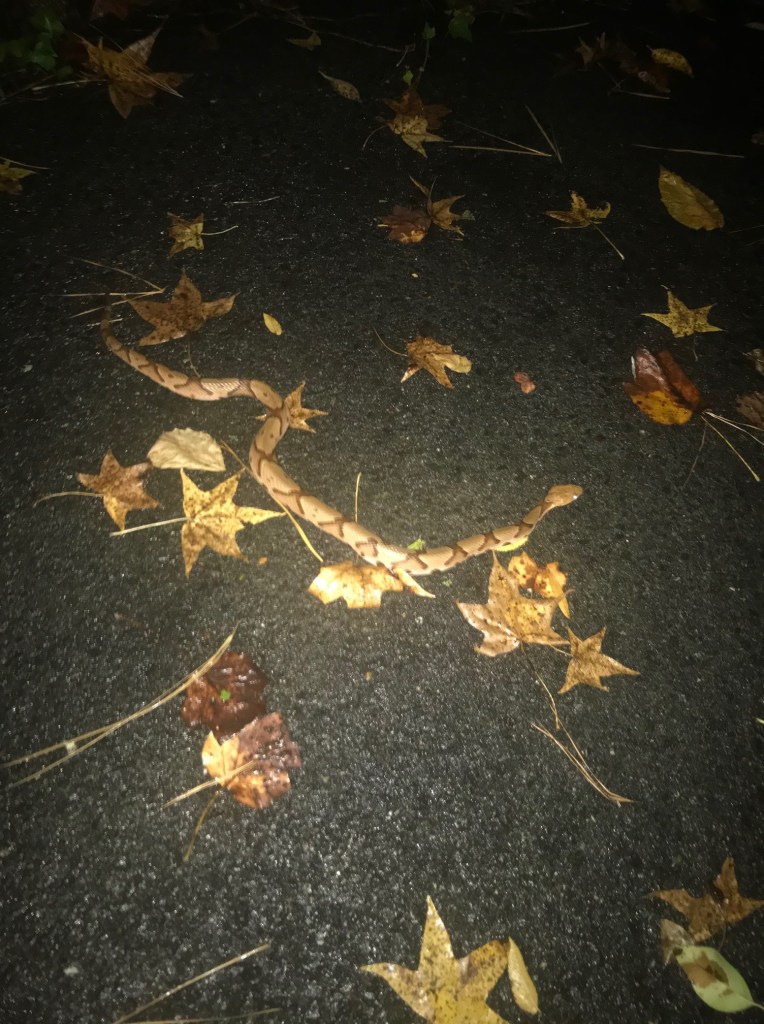
The venomous snake incident… always an adventure living in a swamp. Can’t a guy just take his trash out?

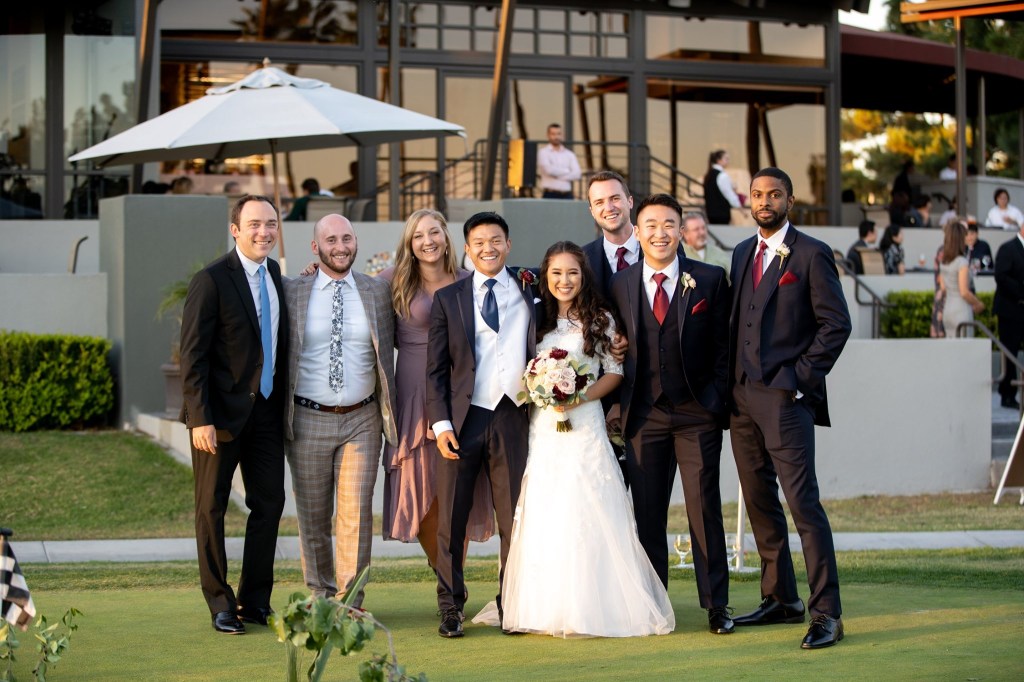
October: weekend trip to CA for a best friend’s wedding

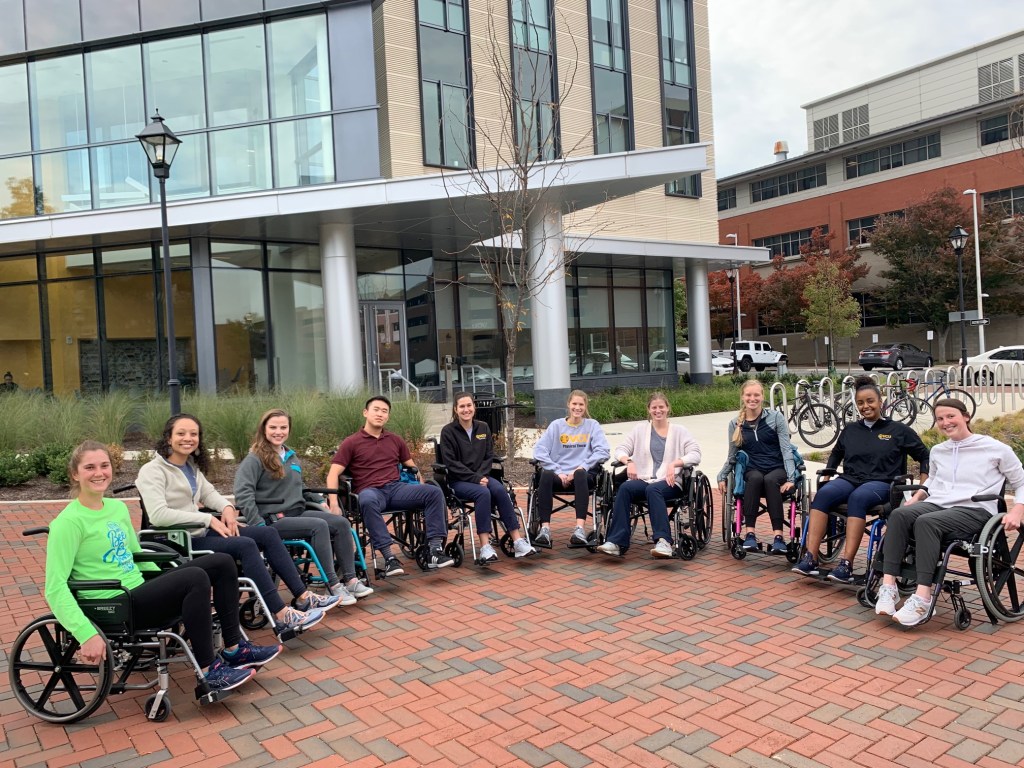
Wheelchair lab for Rehab I; there are more males in our class than pictured.

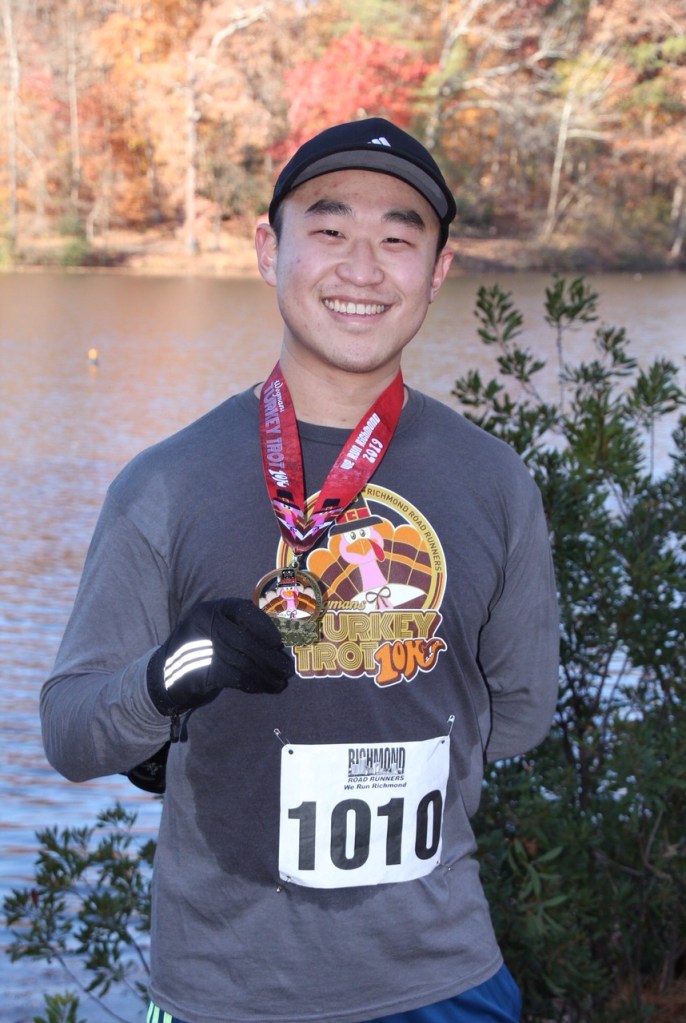
Sweat-drenched after my first long-distance race ever; a 10k on Thanksgiving Day.

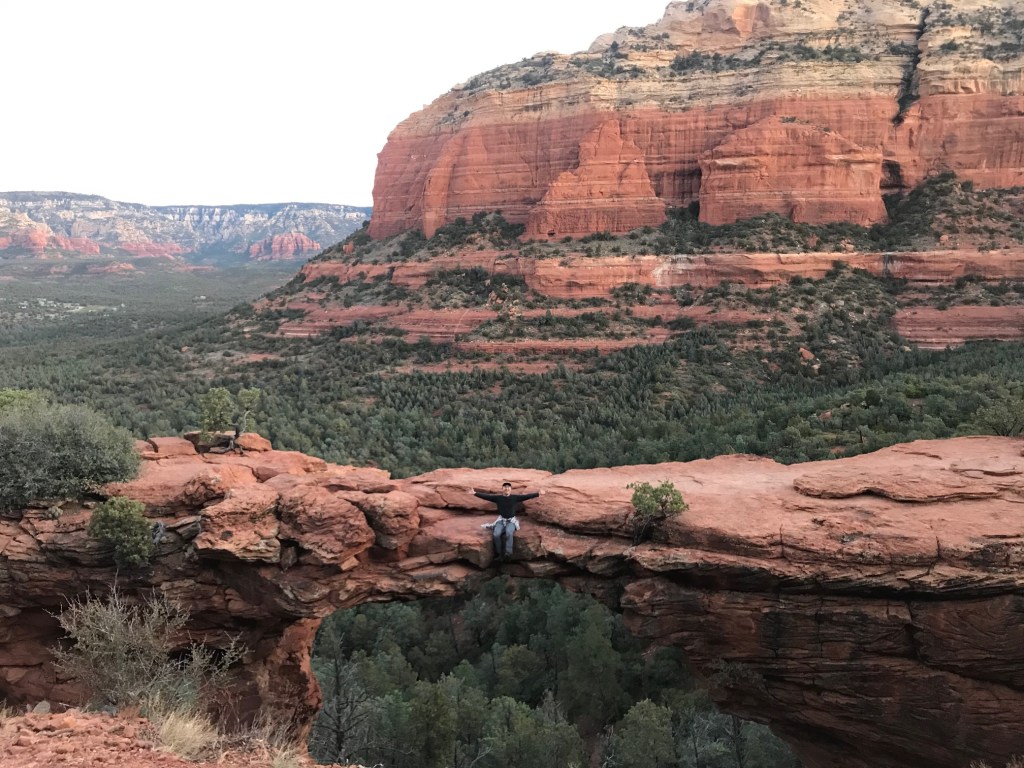
Ledge-sitting in Sedona for Winter break

More ledge-sitting in Sedona; my mother really does not approve.

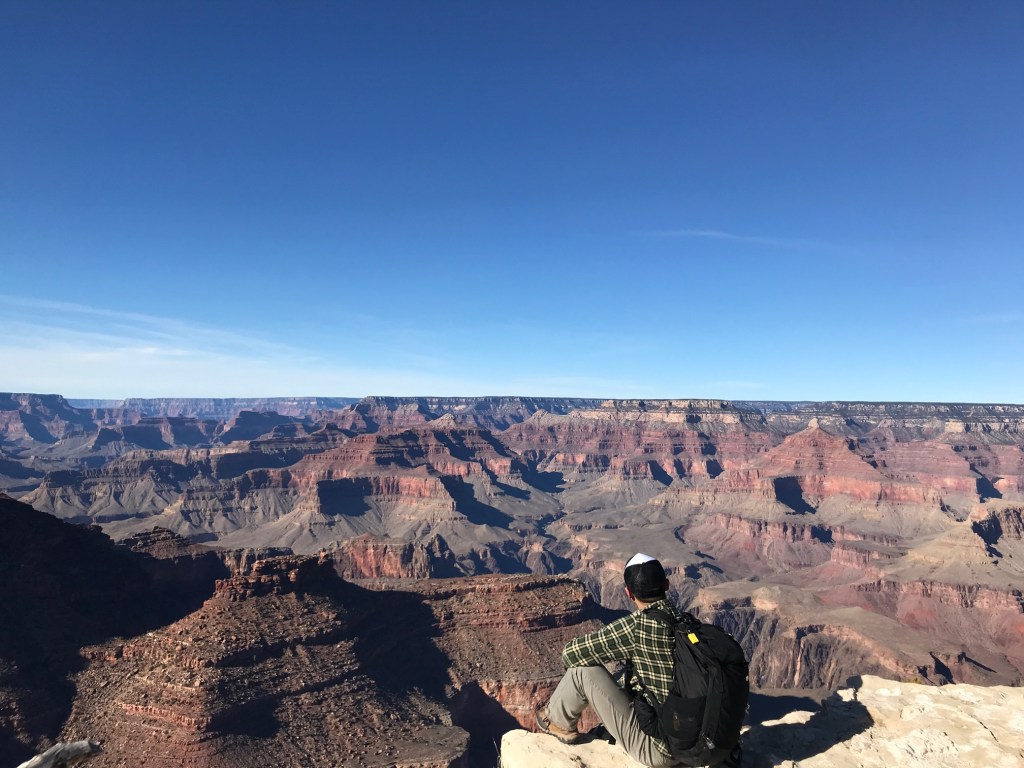
Grand Canyon NP: the conclusion of my solo Arizona trip

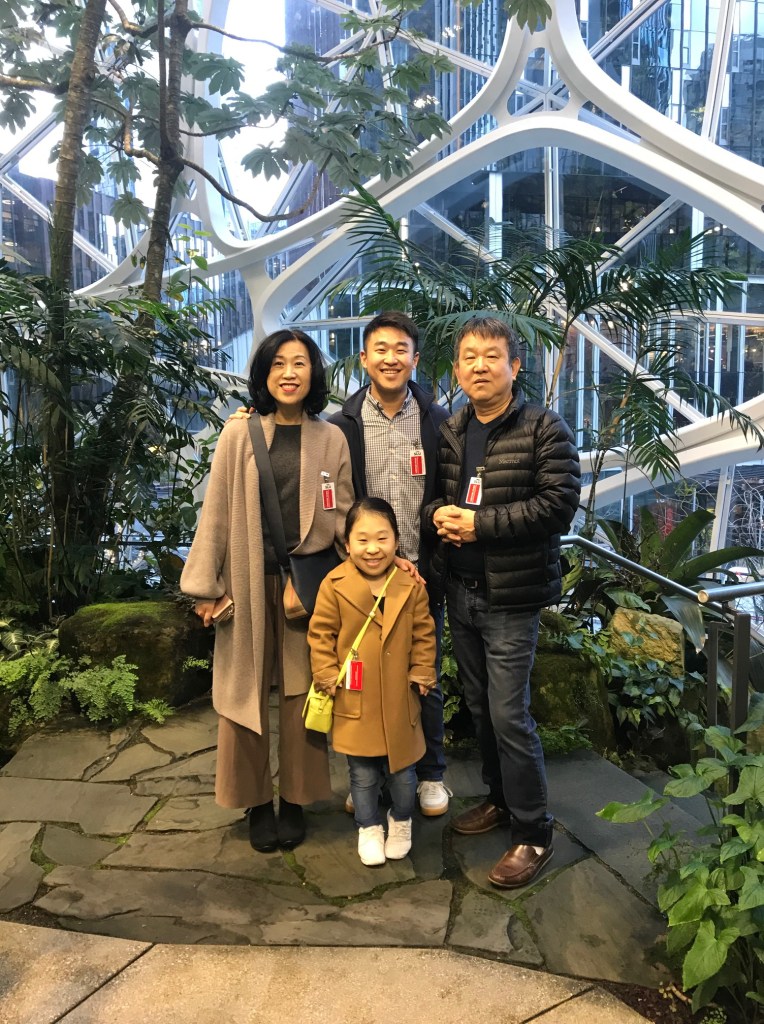
Seattle, WA: home with family & my dad is still incapable or unwilling to smile

Winter/Spring semester begins on Monday, January 6th and I’m rested and ready to tackle another semester. Until next time! ASJ